How a Pizza Restaurant Can Impress Out-of-Town Guests

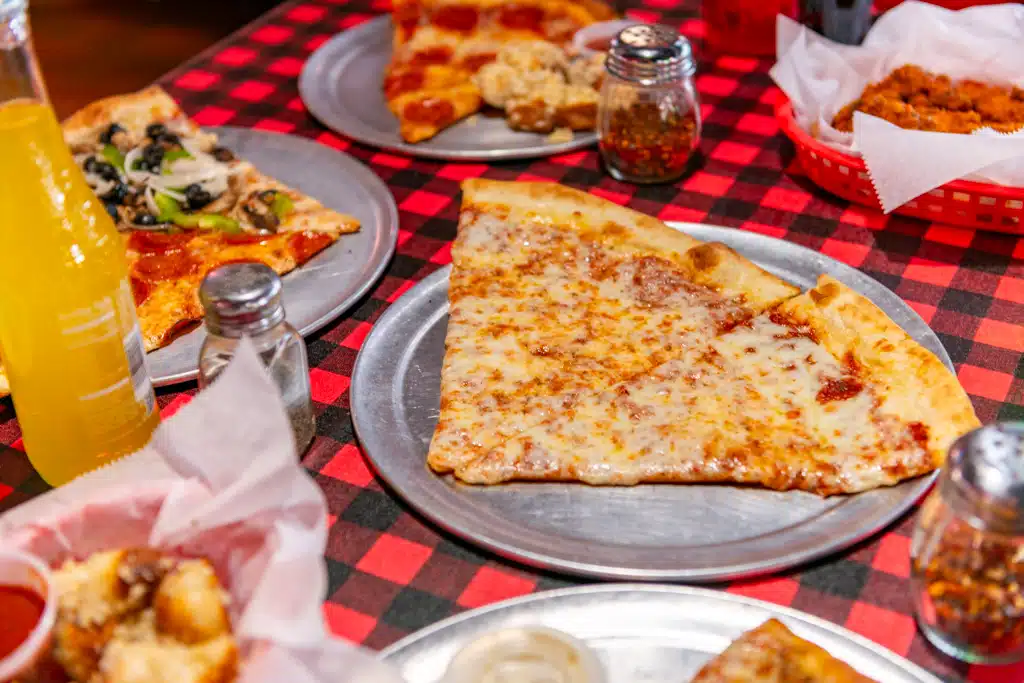
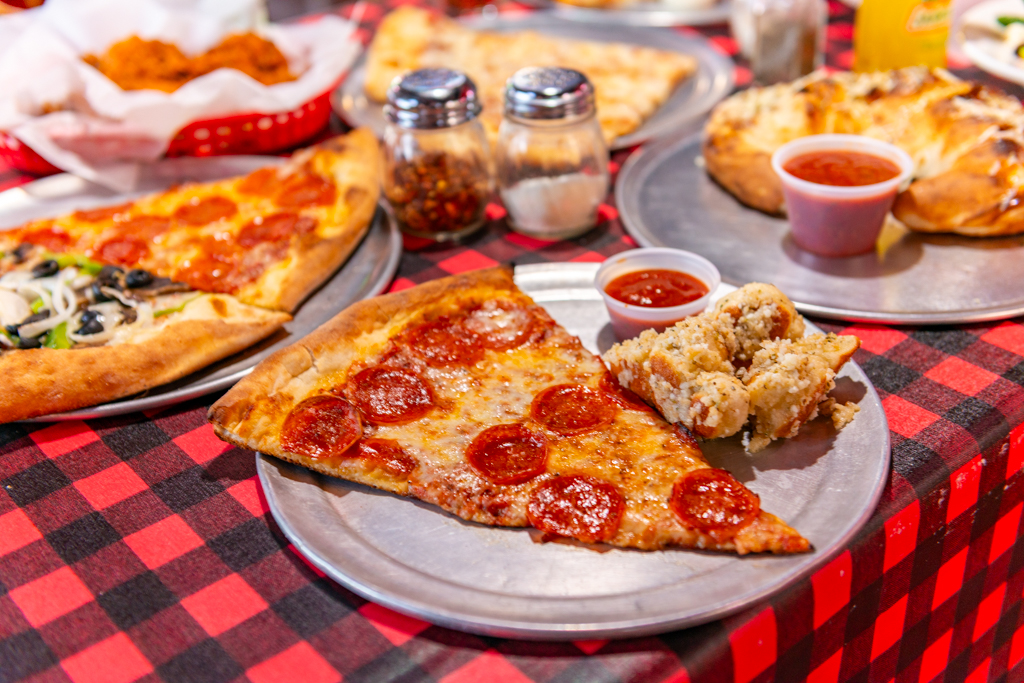
A local regular walks into a pizza restaurant with one set of expectations. An out-of-town guest walks in with another. The regular wants consistency, speed, and a familiar favorite done right. The traveler is usually looking for something more layered. They want a meal, certainly, but they also want a sense of place. They want to feel that they made a good call, that they spent their evening somewhere worth remembering, and that the restaurant gave them a story they can carry home.
That difference matters more than many operators realize. Visitors do not judge a restaurant only against the shop down the street. They compare it, consciously or not, with places in every city they have traveled through. They are measuring food, service, comfort, local character, and the ease of the experience all at once. A pizza restaurant that understands this can turn a simple dinner into a genuine advantage for the business. Guests who are just passing through often become some of the strongest word-of-mouth advocates, especially when they post photos, leave reviews, or recommend the place to friends planning a trip.
Impressing out-of-town guests does not require theatrics. It requires judgment. The best operators know where to tighten execution, where to add warmth, and where to showcase local identity without turning the meal into a performance.
Visitors notice the basics more than locals do
Locals tend to forgive small friction points because they already know the system. They know where to park, how long a Friday wait usually runs, whether counter ordering is standard, and which pie is worth the extra ten minutes. A traveler does not know any of that.
That means the basics carry extra weight. Signage should be easy to read from the street. The entrance should feel obvious and welcoming. If ordering happens at the counter, guests should understand that within a few seconds of entering. If there is a wait list, someone should acknowledge new arrivals quickly, even if the dining room is packed.
I have seen excellent food undermined by simple confusion. A family from out of town arrives after a long drive, hungry and slightly tired. No host appears. They stand near the door wondering whether to seat themselves. Staff members are busy and avoid eye contact because they are genuinely slammed. Within two minutes, the family already feels less welcome than they should. The pizza could still be great, but the restaurant has spent some of its goodwill before the first glass of water hits the table.
The restaurants that handle this well usually look calm even when they are not. They create a feeling of competence. Menus are legible. The path from arrival to order is clear. The room is busy but not chaotic. This is not glamorous work, but it is often what travelers remember most.
First impressions start outside the dining room
Many operators focus heavily on interior ambiance and forget that the guest experience often begins https://www.manta.com/c/m1h28js/ruffrano-s-hell-s-kitchen-pizza-manitou-springs online or at the curb. For out-of-town visitors, your website, map listing, hours, and exterior appearance often stand in for personal recommendation.
If your posted hours are inconsistent across platforms, visitors will notice. If your front door looks neglected, they will notice that too. If your photos show one style of pizza and the menu leans another way, expectations start drifting before the guest ever sits down.
A pizza restaurant does not need a grand facade to make a strong impression. It does need signals of care. Clean windows, adequate lighting, visible menu access, and a front entrance that feels active all help. In travel-heavy areas, even small touches matter. A sandwich board noting house specialties, local ingredients, or current wait times can reduce uncertainty and create anticipation.
The best exterior message is clarity paired with confidence. A guest should understand what kind of place this is before they walk in. Is it a family-friendly neighborhood shop with fast service? A wood-fired spot with craft cocktails and longer ticket times? A classic red-sauce room known for large pies and generous portions? Travelers appreciate honesty. They would rather choose the right version of your restaurant than be surprised by a mismatch.
Hospitality has to feel local, not scripted
Out-of-town guests can spot canned hospitality quickly. A forced greeting, an over-rehearsed spiel, or generic upselling often lands flat. What works better is a style of service that reflects the place and the team.
Professional hospitality is rarely elaborate. It is observant. Staff members read the table. They can tell when guests are in a hurry, when they want guidance, and when they are treating dinner as part of a larger travel experience. That sensitivity is what makes service feel polished rather than mechanical.
A server who says, “If you’re only here for one night, our fennel sausage pie is the one locals bring their friends in for,” does more than sell a pizza. That line gives the guest confidence and context. It says, you are not being treated like a transaction. You are being oriented by someone who knows the room.
This becomes especially important when menus have regional quirks. Maybe the restaurant uses a square-cut tavern style that visitors from the East Coast do not expect. Maybe the sauce leans sweeter than they are used to. Maybe the house pie includes a local cured meat unfamiliar to some guests. A brief explanation can turn uncertainty into curiosity.
Training staff to offer that kind of help is worth the effort. The goal is not a speech. The goal is a conversation that feels natural, specific, and informed.
The menu should tell guests where they are
Travelers do not always want novelty, but they often want distinctiveness. If your menu could belong to any pizza restaurant in any suburb in the country, you are missing an opportunity.
That does not mean loading the menu with gimmicks. It means making sure your food reflects some real point of view. Maybe it is a dough process shaped by local water and long fermentation. Maybe it is a signature pie built around a regional cheese, a local farm’s mushrooms, or house-made sausage. Maybe it is a style of pizza tied to the city itself. Even a concise menu can communicate identity if it is written with intention.
There is also value in helping visitors understand what makes the food different. A short menu note can do a lot of work. For example, describing a crust as “crisp-edged, naturally fermented, and slightly chewy at the center” is more useful than calling it “artisan.” The first tells people what they will actually eat. The second is filler.
Practicality matters too. Out-of-town diners often order with less confidence than regulars. If sizes are unusual, spell that out. If a large pie feeds three to four people comfortably, say so. If your spicy pie is truly hot, warn them. If your most famous pizza takes longer because of the baking method, explain that upfront. Clarity prevents disappointment.
Signature dishes matter more when the guest has one chance to choose
A local can come back next week and try the pie they skipped. A traveler often gets one meal, sometimes one order. That raises the stakes.
Every pizza restaurant should know which dishes best represent the house and which ones merely round out the menu. Those flagship items need to be easy for staff to recommend and easy for guests to identify. If a visitor asks, “What are you known for?” the answer should come without hesitation.
What often impresses guests is not a giant menu but a sharp one. A fifteen-page menu can feel less trustworthy than a focused one with clear strengths. When operators prune weaker items, improve a few standout combinations, and teach the front-of-house team how to guide choices, visitors feel more secure ordering.
There is also a subtle but important point here. Signature items should not only be distinctive, they should travel well from kitchen to table. A pizza that looks dramatic on social media but degrades in five minutes under dining-room conditions is not a strong signature. Neither is a pie so delicate that a busy Friday service cannot reproduce it consistently. The best signature dishes survive pressure. They taste like the restaurant even when the room is full and the oven is working hard.
Speed is important, but pacing is what guests remember
Operators often talk about speed because it is measurable. Ticket times, table turns, delivery windows, all of that matters. But for out-of-town guests dining in, pacing is often the more meaningful metric.
A table that gets seated promptly, receives drinks quickly, and waits twenty-five minutes for a pizza with clear communication may feel well cared for. A table that receives erratic attention, long dead spots, or no updates may feel ignored even if the overall meal length is similar.
Visitors are especially sensitive to silence because they do not know what is normal. If your wood-fired pies take a little longer because the kitchen is managing several oven zones, tell them. If a deep-dish style requires extra bake time, frame that as part of the value. Most guests are patient when they understand the reason.
One of the most effective habits in good dining rooms is the mid-wait touchpoint. Not a constant interruption, just a quick acknowledgment. “Your pie’s in the oven now, about eight more minutes.” That sentence reassures people that the order exists, the staff is attentive, and the experience is moving. For a visitor unfamiliar with the restaurant, that can make the whole evening feel smoother.
Out-of-town guests need easy ways to trust your recommendations
Travelers are often deciding under mild stress. They may be coordinating with children, watching the clock before a show, recovering from a delayed flight, or trying to satisfy a group with mixed tastes. They want help narrowing choices without feeling pushed.
This is where thoughtful recommendations become a competitive edge. A server or counter person who can guide with confidence reduces cognitive load for the guest. Better still if they can tailor that guidance. A couple looking for a memorable local meal needs a different recommendation than a youth sports team arriving at 8:30 p.m.
The most useful recommendation style is brief and concrete:
- “If you want the local favorite, get the roasted pepper and sausage pie.”
- “If you’re sharing with kids, our cheese and margherita are the safest split.”
- “If you have ninety minutes before your event, skip the deeper bake and go with these two quicker pies.”
- “If you want a lighter start, the chopped salad balances the richer pizzas well.”
That kind of language works because it is situational. It shows the staff is paying attention to the guest’s actual context, not just trying to move a particular item.
The room should feel like the city, not a template
Travelers often remember atmosphere in broad strokes. They may not recall every topping, but they will remember whether the place felt generic or rooted. A pizza restaurant can express place without overdesigning it.
Sometimes this comes through architecture and materials. Exposed brick in an older downtown building, local photography on the walls, or an open kitchen framed by reclaimed wood can all contribute. Sometimes it comes through sound, lighting, and service rhythm. A neighborhood place with a little noise, visible regulars, and staff who know names can feel more authentic than a formally styled room with no local pulse.
There is a trade-off, though. “Local character” should never become an excuse for discomfort. Visitors may appreciate a lively room, but they still need comfortable seating, reasonable acoustics, and restrooms that are easy to find and clean. Charm does not compensate for friction forever.
One issue I have seen repeatedly is restaurants mistaking clutter for personality. Walls crowded with random memorabilia, poorly maintained furniture, and inconsistent lighting can read less like history and more like neglect. Guests from out of town do not have the nostalgic relationship that locals might. They see what is in front of them. If the story of the room is important, curate it so the story is legible.
Small local cues create memorable moments
Not every memorable detail has to be expensive. Some of the strongest impressions come from small, well-chosen touches. A beer list featuring regional breweries, a dessert sourced from a nearby bakery, a house chili oil made with local peppers, or a short note on the menu about the flour mill you use can all deepen the sense of place.
These details work best when they are genuinely connected to the operation. Guests can tell when “local” is just a label. If you mention a farm, your staff should know why that ingredient matters. If you promote a regional wine or beer pairing, the recommendation should feel intentional, not random.
A pizza restaurant that impresses visitors often does a good job of layering these cues without announcing them too loudly. The room, the menu, the recommendations, and the details all point in the same direction. That coherence gives people the sense that they discovered a real place rather than a stop designed for tourists.
Service recovery matters even more with travelers
Something will go wrong eventually. A pie fires unevenly. A ticket gets delayed. A table receives the wrong topping. For locals, the restaurant has future chances to repair trust. For out-of-town guests, this may be the only opportunity.
That makes service recovery unusually important. When there is a mistake, speed and tone matter as much as the fix itself. Guests are usually forgiving if the staff acknowledges the issue plainly, offers a realistic timeline, and takes ownership.
I have watched servers rescue a rough experience with a calm apology, a quick re-fire, and a small gesture like comped garlic knots or dessert. I have also watched managers make things worse by being evasive, defensive, or overly corporate in their wording. Travelers do not need a script. They need confidence that the restaurant sees the problem and cares about the outcome.
One practical note, if you know a replacement pie will take time, do not leave the table to sit in uncertainty. Give them the estimate. If they are on a schedule, offer alternatives. Respect for the guest’s time often matters as much as the free item.
Cleanliness sends a louder message to visitors
Locals may normalize little things over time. A guest from out of town will not. Sticky menus, dusty vents, smeared glass on the front door, or a restroom that looks tired can undermine confidence fast. In a pizza restaurant, where flour, sauce, and heavy traffic create constant mess pressure, cleanliness needs active management.
The key is to focus on what guests actually encounter. Entryway floors, tabletops, condiment containers, high chairs, menu edges, and restrooms all carry outsized influence. Open kitchens can be a strength here. When travelers can see organized movement, clean work surfaces, and disciplined handling, they relax. Visual trust matters.
This does not require sterile perfection. A busy Friday night should look busy. But there is a difference between energetic and sloppy. Skilled operators teach teams to reset the room continuously, not just at opening and closing.
Digital follow-through shapes the memory after the meal
A traveler’s impression of your restaurant often continues after they walk out. They may search your name again to leave a review, share photos, tag friends, or remember what they ate. If your online presence is thin or inconsistent, you lose some of that momentum.
Make sure your key information is accurate and current. Menus, hours, reservation policies, parking notes, and major dietary accommodations should be easy to find. Photos should reflect your actual food and space. If you use social media, recent activity helps reassure guests that the business is active and reliable.
There is also value in subtle reminders that encourage sharing. A branded pizza box for leftovers, a visually strong signature pie, or a dessert presentation that invites a quick photo can all extend the experience organically. The goal is not to engineer every moment for the camera. The goal is to make the meal look as good as it feels.
The best experiences feel effortless because the work happened before service
When a pizza restaurant truly impresses out-of-town guests, the evening feels simple from the guest side. They found the place easily. They understood the menu. They got useful recommendations. The room felt alive. The food arrived at a good pace. The pizza tasted specific to the place. Nothing felt confusing, forced, or generic.
That ease is not accidental. It usually reflects dozens of operational decisions made in advance. Someone edited the menu descriptions. Someone trained staff on how to guide first-time visitors. Someone checked the bathrooms before the rush. Someone made sure the signature pie was the one most likely to shine on a busy night, not only on a slow Tuesday.
This is why the strongest hospitality often looks modest. It is not built on grand statements. It is built on accuracy, timing, warmth, and self-awareness. A pizza restaurant does not need to be everything to everybody. It does need to know exactly what it does well and present that with confidence.
Out-of-town guests are often more open to being delighted than locals are. They arrive curious. They want a good story. They want a dinner that feels like part of the trip rather than a pause in it. If your restaurant can give them excellent pizza, clear guidance, and a real sense of place, you are not just feeding visitors. You are helping define how they remember the city.